The Image of the Invisible God
Colossians 1:15–20 answers every diminishment of Christ by exalting Him over all realms in two matched movements. Over God's own being: He is the image of the invisible God — not a copy but the visible manifestation of the unseeable God, because in Him the fullness of Deity dwells bodily.
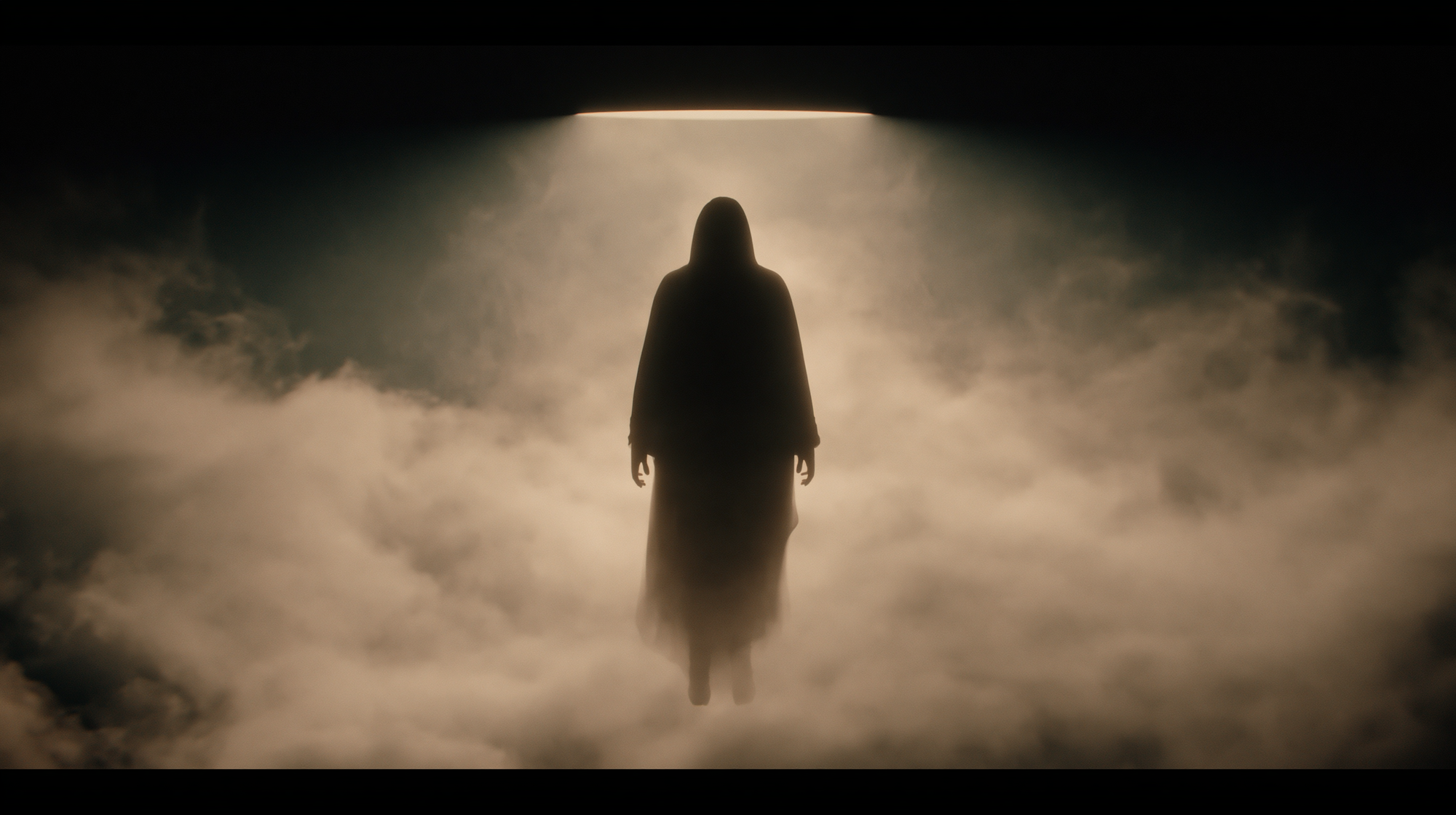
The Image of the Invisible God: A Scriptural Study of Colossians 1:15–20
"He is the image of the invisible God, the firstborn of all creation."
— Colossians 1:15 (NASB95)
Colossians 1:15-20 is one of the New Testament's supreme Christological summits — a compact, likely hymnic passage in which Paul answers a Colossian error (an incipient syncretism diminishing Christ before angelic powers and philosophy) by exalting Christ over everything: over God's own being (His image), over all creation (its agent, sustainer, and goal), and over the church and the cosmos (its head and reconciler). The passage moves in two matched strophes — Christ's supremacy in creation (vv. 15–17) and His supremacy in new creation/redemption (vv. 18–20) — bracketed by "firstborn" and bound by the refrain that "He Himself will come to have first place in everything" (v. 18). This study walks the passage clause by clause, resolving its two most contested phrases ("image" and "firstborn") and drawing out its worship of the Christ who is "the fullness of Deity in bodily form."
Passages studied: Colossians 1:15–20 throughout, with Colossians 2:9; Hebrews 1:1–3; 2 Corinthians 4:4–6; John 1:1–3, 18.
Key Passages
Colossians 1:15a — "The Image of the Invisible God"
Colossians 1:15; Colossians 2:9
NASB95 (1:15a; 2:9): "He is the image of the invisible God... For in Him all the fullness of Deity dwells in bodily form."
The word is εἰκών (eikōn, Strong's G1499/1504, "image, likeness, exact representation"; BDAG, s.v.) — not a faint copy but the manifestation and embodiment of what it images, as a coin's image is the emperor's authority stamped (Matthew 22:20). Christ is the image of "the invisible God" (ἀόρατος, aoratos): the unseeable God made seeable — "no one has seen God at any time; the only begotten God... He has explained Him" (John 1:18); "he who has seen Me has seen the Father" (John 14:9). This is more than the imago Dei borne by humanity: humans are made in God's image (derivative, marred by the fall); Christ is the image (original, perfect, the archetype "in" whom humanity was made and into whom the redeemed are being conformed, Romans 8:29; 2 Corinthians 3:18). Paul's parallel removes all ambiguity: "in Him all the fullness of Deity (θεότης, theotēs — deity in the absolute sense, the state of being God) dwells in bodily form" (Col 2:9) — the image is the invisible God rendered visible precisely because the image is fully God.
Colossians 1:15b–17 — "Firstborn of All Creation": Supremacy in Creation
NASB95 (vv. 15b–17): "...the firstborn of all creation. For by Him all things were created, both in the heavens and on earth, visible and invisible, whether thrones or dominions or rulers or authorities—all things have been created through Him and for Him. He is before all things, and in Him all things hold together."
"Firstborn" (πρωτότοκος, prōtotokos, Strong's G4416) is the passage's most abused phrase — the Watchtower's proof-text that Christ is a created being, "the first thing Jehovah created." But the word denotes rank and heirship, not chronological origin: David, the youngest son, is appointed God's "firstborn, the highest of the kings of the earth" (Psalm 89:27 — the OT's own definition, priority and preeminence, not birth-order); Israel is God's "firstborn" (Exodus 4:22); Ephraim is called firstborn though Manasseh was born first (Jeremiah 31:9). So "firstborn of all creation" = heir and sovereign over all creation, the preeminent One — a reading the next clause makes inescapable: the reason (γάρ, "for") He is firstborn is that "by Him all things were created." The Creator of all things cannot be one of the created things (John 1:3 — "apart from Him nothing came into being that has come into being"); "all things" is then hammered home four ways — heaven and earth, visible and invisible, the whole angelic hierarchy (thrones, dominions, rulers, authorities — the very powers the Colossian error exalted, now shown to be His creatures), and the threefold prepositions: created through Him (agent), for Him (goal — the universe exists for Christ's glory), and He "is before all things" (pre-existent, John 8:58) and "in Him all things hold together" (συνέστηκεν, synestēken — cohere, are sustained; the cosmos's continuing existence depends on Him moment by moment, Hebrews 1:3 — "upholds all things by the word of His power"). Against every attempt to make Christ a creature, Paul makes Him the creation's source, sustainer, and end.
Colossians 1:18 — "Firstborn From the Dead": Supremacy in New Creation
NASB95: "He is also head of the body, the church; and He is the beginning, the firstborn from the dead, so that He Himself will come to have first place in everything."
The second strophe turns from creation to new creation, and "firstborn" reappears in its heirship sense: "the firstborn from the dead" — preeminent over the resurrected, the "first fruits" whose rising guarantees and patterns His people's (1 Corinthians 15:20, 23); "the beginning" (ἀρχή, archē — origin and ruler) of the new humanity. Over that new creation He is head of the body, the church — the same Lord who rules the cosmos rules and animates His people. And the strophe states the passage's controlling purpose: "so that He Himself will come to have first place in everything" (πρωτεύων, prōteuōn — holding the primacy, being first) — the entire hymn drives toward Christ's absolute preeminence in both orders, creation and redemption, so that in no realm, seen or unseen, old or new, is there any rival to His supremacy. The Colossian error (and every diminishment of Christ since) collapses before this single-clause thesis.
Colossians 1:19–20 — Fullness Dwelling, All Things Reconciled
NASB95: "For it was the Father's good pleasure for all the fullness to dwell in Him, and through Him to reconcile all things to Himself, having made peace through the blood of His cross; through Him, I say, whether things on earth or things in heaven."
The hymn's climax grounds Christ's supremacy in two divine acts. Fullness dwells in Him: "all the fullness (πλήρωμα, plērōma — the totality of divine being and power; likely a term the Colossian error used of the angelic realm, now claimed wholly for Christ) was pleased to dwell in Him" (Col 1:19; made explicit at 2:9 — "the fullness of Deity... in bodily form"): the whole of God dwells in the Son, so nothing of God is found outside or above Him for angel or philosophy to mediate. Reconciliation through His blood: the cosmic Christ is the crucified Christ — the One who holds the galaxies together "made peace through the blood of His cross," reconciling "all things... whether on earth or in heaven." "All things reconciled" is cosmic in scope (the whole created order restored to its proper order under Christ, Ephesians 1:10; Romans 8:19–21) but not universalist (the passage's own next verses require continuing in the faith, Colossians 1:21–23; hostile powers are pacified/subdued, Colossians 2:15, not necessarily saved — the peace is either glad submission or forced subjugation, Philippians 2:10–11). The staggering juxtaposition — cosmic Creator and bloodied Redeemer in one Person — is the passage's final glory: the hands that flung the stars into space were nailed to a cross to reconcile what sin had shattered.
Hebrews 1:1–3 & 2 Corinthians 4:4–6 — The Parallel Testimony
Hebrews 1:1–3; 2 Corinthians 4:4–6
NASB95 (Heb 1:3; 2 Cor 4:6): "And He is the radiance of His glory and the exact representation of His nature, and upholds all things by the word of His power... For God, who said, 'Light shall shine out of darkness,' is the One who has shone in our hearts to give the Light of the knowledge of the glory of God in the face of Christ."
The Colossians hymn does not stand alone; the New Testament's other Christological summits echo it precisely. Hebrews 1:3 doubles the "image" theme: Christ is the radiance (ἀπαύγασμα, the shining-forth) of God's glory and the exact representation (χαρακτήρ, charaktēr — the precise impress, as a seal on wax) of His ὑπόστασις (very nature/substance) — again the image who upholds all things (the sustaining of Col 1:17). And 2 Corinthians 4 makes the image-doctrine evangelistic: the gospel is "the light of the gospel of the glory of Christ, who is the image of God" (2 Cor 4:4), and saving illumination is "the knowledge of the glory of God in the face of Christ" (v. 6) — to see Christ truly is to see God, which is why the god of this age blinds minds to His image (v. 4). John's prologue completes the chorus: the Word who was God and was with God, through whom all things were made, become flesh to reveal ("exegete") the Father (John 1:1–3, 14, 18). Four passages, one doctrine: the Son is the visible, exact, full manifestation of the invisible God, Creator and Redeemer, supreme over all.
Conclusion
Colossians 1:15–20 answers every diminishment of Christ by exalting Him over all realms in two matched movements. Over God's own being: He is the image of the invisible God — not a copy but the visible manifestation of the unseeable God, because in Him the fullness of Deity dwells bodily. Over all creation: He is firstborn not as a creature but as heir and sovereign, "for by Him all things were created" — through Him, for Him, before all, holding all together. Over the new creation: He is head of the church and firstborn from the dead, "so that He Himself will come to have first place in everything." And the cosmic Christ is the crucified Christ, reconciling all things through the blood of His cross. The passage's two most abused phrases dissolve under scrutiny — "image" means full manifestation (not lesser copy), "firstborn" means preeminent heir (not first creature) — leaving no foothold for the ancient or modern demotions of the Son. To behold Him is to behold God; to have Him is to have the fullness; and the only fitting response is the one the hymn was written to produce: that "in everything" He hold first place. "He is before all things, and in Him all things hold together."
Author

Raised in a Christian home, I came to faith later in life. A family crisis in 2019 drove me to study Scripture deeply, and by 2021 I answered my calling to ministry and teaching God's Word.


